
Why Business Insurance is Non-Negotiable for E-Commerce Success
In the digital age, many e-commerce entrepreneurs operate with a lean mindset, often questioning the necessity of traditional business expenses like insurance. However, this perspective overlooks the fundamental truth that online businesses, despite their virtual presence, face very real, tangible risks. Far from being an optional luxury, business insurance is one of the best ways to protect your business, acting as a crucial safety net that enables you to innovate, expand, and focus on tips for growing a successful business without the paralyzing fear of unforeseen disasters. Imagine building a thriving online brand, investing countless hours in product development, website optimization, and crafting compelling marketing campaigns. Now, imagine a single lawsuit or a devastating data breach wiping out your profits, reputation, and even your entire operation. This isn’t hyperbole; it’s a reality for businesses that fail to adequately protect themselves.
For e-commerce, the risks are multifaceted. You’re dealing with physical products, customer data, digital transactions, and a global audience with varying legal frameworks. A defective product sold across state lines could lead to significant liability. A cyberattack could compromise sensitive customer information, resulting in hefty fines and irreparable damage to your brand trust. Even seemingly innocuous activities, like content creation for your blog or social media, can open doors to advertising injury claims if not handled carefully. Without the right insurance, these incidents can escalate into financial catastrophes, diverting crucial resources away from growth initiatives like scaling your ad campaigns or exploring new product lines. Instead of being able to reinvest profits into your business, you could be spending years battling legal fees and compensation claims.
Moreover, robust insurance coverage isn’t just about reacting to problems; it’s about proactively fostering an environment where your business can thrive. It provides peace of mind, allowing you to take calculated risks that are essential for growth. When you’re confident that potential legal battles or major financial losses are mitigated, you’re more likely to explore new markets, introduce innovative products, and invest in ambitious marketing strategies, including leveraging micro-influencers. Imagine launching a new product line with a strong marketing push; knowing you have adequate product liability insurance allows you to push boundaries, knowing your business is shielded should an unexpected issue arise. This proactive protection is a cornerstone of any sustainable long-term strategy, ensuring that your journey towards e-commerce mastery is built on a solid, secure foundation.
Type 1: General Liability Insurance – The Foundational Shield
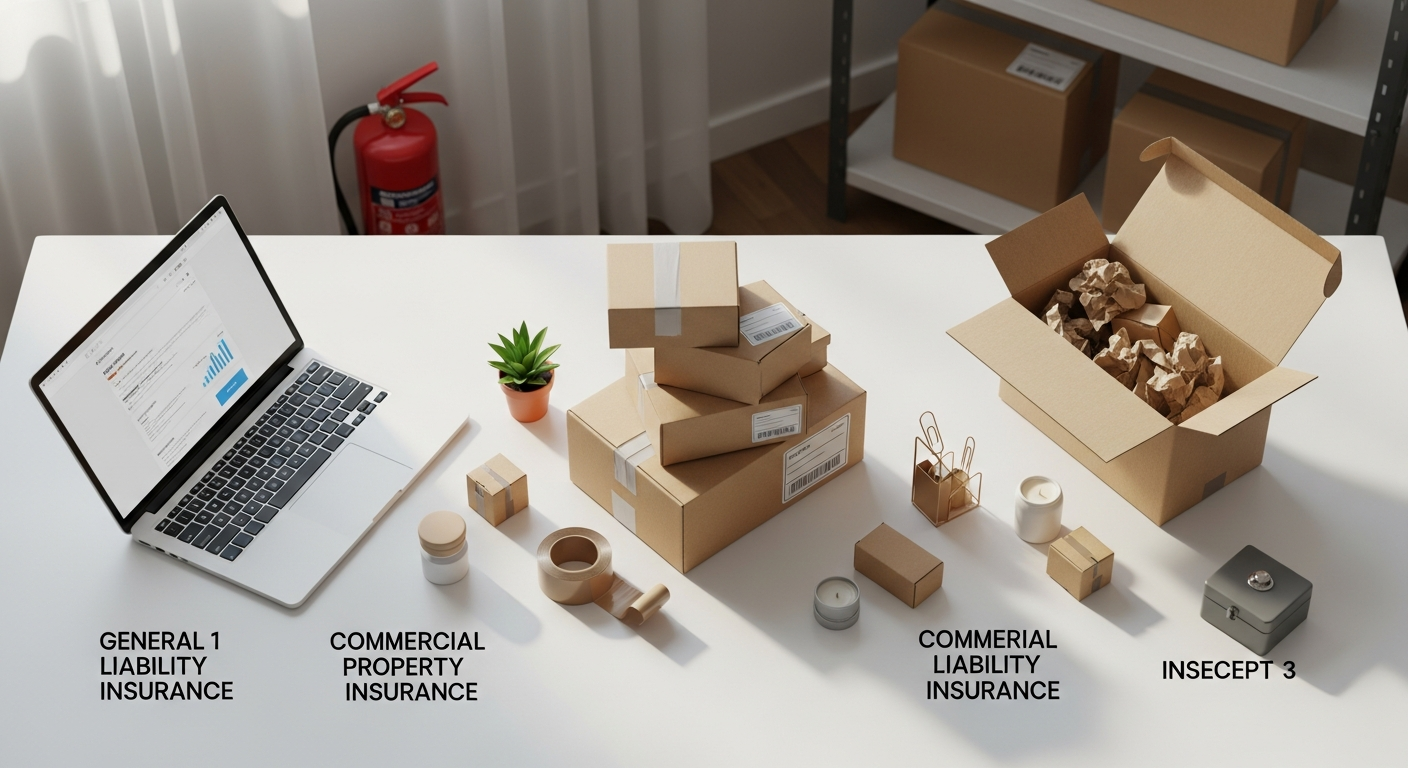
General Liability Insurance, often referred to as Commercial General Liability (CGL), is arguably the most fundamental type of coverage for any business, including those operating exclusively online. Think of it as your first line of defense against a broad spectrum of common risks. While many e-commerce entrepreneurs mistakenly believe their home-based operation or virtual presence exempts them from such “traditional” insurance, this couldn’t be further from the truth. Even if customers never step foot into your physical office, and even if your entire inventory is stored in a third-party warehouse, you are still exposed to significant liability.
What General Liability Insurance Typically Covers:
- Bodily Injury: This covers claims if someone is injured due to your business operations. While less common for purely online stores, scenarios can arise. For instance, if you occasionally meet a supplier or a business partner at your home office and they sustain an injury, or if a customer comes for a local pickup and slips and falls on your property.
- Property Damage: Covers damage to someone else’s property caused by your business activities. If you’re demonstrating a product at a trade show and accidentally damage a vendor’s equipment, or if an employee causes damage while on a business errand, this coverage kicks in.
- Personal and Advertising Injury: This is particularly relevant for e-commerce. It covers claims of libel, slander, copyright infringement, invasion of privacy, or misappropriation of advertising ideas in your marketing and promotional materials. In today’s competitive online landscape, where brands are constantly creating content and engaging in digital campaigns, the risk of inadvertently infringing on someone’s intellectual property or making a defamatory statement is real. This is especially pertinent when considering how to market your brand using micro influencers, as you are responsible for the content they produce on your behalf. If an influencer you hire uses copyrighted music in their reel or makes an unsubstantiated claim about a competitor, your business could be held liable.
For an e-commerce business, the “advertising injury” component of General Liability Insurance is incredibly vital. Every product description, blog post, social media update, email campaign, and influencer collaboration carries a potential risk. A competitor could claim you defamed their product, or a content creator could accuse you of using their image without permission. Without CGL, defending against such claims can be incredibly costly, diverting critical resources away from tips for growing a successful business. This foundational shield ensures that common, yet potentially devastating, claims don’t derail your operational stability, allowing you to confidently build your brand and expand your digital footprint knowing you have a robust layer of protection in place for your digital and physical interactions.
Type 2: Product Liability Insurance – Protecting Your Inventory and Reputation
What Product Liability Insurance Typically Covers:
- Manufacturing Defects: This covers issues that occur during the production process, making the product unsafe. For example, a batch of electronic gadgets you sell has faulty wiring, leading to a fire or electric shock.
- Design Defects: Covers flaws in the product’s design that make it inherently dangerous, regardless of how well it was manufactured. An example could be a toy with small, detachable parts that pose a choking hazard to children, even if assembled correctly.
- Marketing Defects (Failure to Warn): This covers inadequate instructions or warnings about potential hazards associated with the product’s use. If a cosmetic product you sell causes a severe allergic reaction, and your packaging failed to adequately warn about potential allergens, you could be liable.
- Breach of Warranty: Covers claims where a product fails to perform as advertised or as expected, leading to damages.
Consider the myriad products sold online: electronics, clothing, beauty products, food items, toys, home goods, and more. Each carries its own set of risks. A seemingly harmless scented candle could unexpectedly ignite, causing property damage. A dietary supplement could have unforeseen side effects. A piece of clothing could contain a harmful dye. In the event of such an incident, a consumer could sue your business for medical expenses, lost wages, pain and suffering, and property damage. Without Product Liability Insurance, these claims could easily exceed hundreds of thousands or even millions of dollars, leading to bankruptcy for many small to medium-sized e-commerce enterprises.
Moreover, product recalls are an increasing concern. If a product you sell is deemed unsafe and needs to be recalled, Product Liability Insurance can often help cover the significant costs associated with the recall process, including notification, shipping, and even the cost of replacing the product. Beyond the financial impact, product-related incidents can severely damage your brand’s reputation, eroding customer trust that you’ve worked so hard to build through diligent marketing and customer service efforts. Investing in this insurance is a strategic move to safeguard your financial assets, maintain customer confidence, and ensure your e-commerce venture can continue to thrive and grow without the constant threat of product-related litigation hanging over your head. It’s an indispensable part of your risk management strategy as you aim for increased sales and a wider market reach by 2026.
Type 3: Cyber Liability Insurance – Essential in the Digital Age
In the digital-first world of e-commerce, where customer data is the lifeblood of operations and transactions occur 24/7 across global networks, Cyber Liability Insurance has transitioned from a niche offering to an absolute necessity. For online businesses, the threat of cyberattacks isn’t theoretical; it’s a daily reality. From sophisticated ransomware attacks to phishing scams targeting customer information, the vulnerabilities are pervasive. This type of insurance is paramount for the best ways to protect your business in an environment where a single data breach can lead to catastrophic financial losses, regulatory penalties, and irreversible damage to your brand’s integrity. By 2026, the sophistication and frequency of cyber threats are only projected to increase, making this coverage non-negotiable.
What Cyber Liability Insurance Typically Covers:
- Data Breach Costs: This is perhaps the most critical component. It covers expenses related to notifying affected customers (often legally mandated), forensic investigations to determine the breach’s cause and extent, credit monitoring services for victims, and public relations efforts to manage reputational damage.
- Ransomware and Cyber Extortion: Covers the costs associated with responding to ransomware attacks, including negotiation, payment of ransom (though often discouraged), and data recovery.
- Business Interruption: If a cyberattack or system failure causes your website or online operations to go down, this coverage can compensate you for lost income and extra expenses incurred to get your business back online. For an e-commerce store, every minute of downtime can mean thousands in lost sales.
- Regulatory Fines and Penalties: Many jurisdictions (e.g., GDPR, CCPA, various state laws) impose hefty fines for data breaches, especially if personal identifiable information (PII) is compromised. Cyber Liability Insurance can help cover these penalties.
- Legal Fees and Settlements: Covers the costs of defending your business against lawsuits filed by customers whose data was compromised, as well as any settlement amounts or judgments.
- Digital Asset Recovery: Covers the costs of restoring or recreating lost or corrupted data and systems.
Every e-commerce business collects and stores sensitive customer information, including names, addresses, phone numbers, email addresses, and often payment card details. This data is a prime target for cybercriminals. A successful attack can cripple your business overnight. Beyond the immediate financial fallout, a data breach severely erodes customer trust, which is incredibly difficult to rebuild. Your brand’s reputation, a cornerstone of tips for growing a successful business and crucial for effective how to market your brand using micro influencers campaigns, can be shattered. Customers are increasingly vigilant about data privacy, and a breach can lead to a mass exodus to competitors.
Even with robust cybersecurity measures in place, no system is entirely impenetrable. Human error, zero-day exploits, and increasingly sophisticated attack vectors mean that a breach is often a matter of “when,” not “if.” Cyber Liability Insurance provides a critical layer of financial protection, enabling your business to recover from a cyber incident and mitigate its long-term impact. It ensures that you have the resources to respond effectively, comply with legal obligations, and ultimately restore customer confidence, allowing you to maintain your growth trajectory in the competitive online marketplace.
Type 4: Business Owner’s Policy (BOP) – The Smart Bundle for Small E-Commerce
For many small to medium-sized e-commerce businesses, particularly those operating from a home office, a small rented space, or with a manageable inventory, a Business Owner’s Policy (BOP) represents an incredibly efficient and cost-effective insurance solution. A BOP is a package policy that intelligently bundles several crucial coverages into one, making it a streamlined and comprehensive choice for the best ways to protect your business without the complexity of managing multiple individual policies. It typically combines General Liability Insurance, Commercial Property Insurance, and Business Interruption Insurance, addressing a significant portion of an e-commerce business’s risk profile.
Components of a Business Owner’s Policy (BOP) and Their E-Commerce Relevance:
- General Liability Insurance: As discussed, this is your foundational shield against third-party claims of bodily injury, property damage, and personal/advertising injury. For an e-commerce business, this covers scenarios like a customer claiming a libelous statement on your website or an accidental injury to a delivery person at your home office.
- Commercial Property Insurance: This protects the physical assets of your business. For an e-commerce operation, this can include:
- Inventory: Whether stored in a dedicated warehouse, a storage unit, or even a section of your home, this covers your products against perils like fire, theft, vandalism, and certain natural disasters. Imagine a fire damaging your entire stock of best-selling items; without this, your business could face a complete shutdown.
- Equipment: Computers, printers, packaging machinery, office furniture, servers, and other essential equipment used to run your online store are covered.
- Your Physical Space: If you rent an office or warehouse, the structure itself (or at least your improvements to it) and its contents are protected. Even for home-based businesses, a BOP often provides better coverage for business property than a standard homeowner’s policy, which typically has very limited or no coverage for business assets.
- Business Interruption Insurance (also known as Business Income Insurance): This is a critical component for maintaining cash flow. If your business operations are halted due to a covered peril (e.g., a fire destroys your home office and all your equipment, or a flood makes your warehouse inaccessible), this insurance helps replace lost income and covers ongoing operating expenses (like rent, payroll, utilities) during the restoration period. For an e-commerce business, even a few weeks of downtime can be financially devastating, especially when you’re focusing on tips for growing a successful business and maintaining momentum. This coverage ensures you have the financial stability to rebuild and resume operations without facing bankruptcy.
The beauty of a BOP for e-commerce entrepreneurs lies in its convenience and cost-effectiveness. By bundling these essential coverages, insurers often offer them at a lower premium than purchasing each policy separately. This makes it an attractive option for startups and growing businesses looking for comprehensive protection without breaking the bank. As your e-commerce venture expands, perhaps moving from a home office to a dedicated commercial space or significantly increasing inventory, a BOP can scale with your needs, providing the robust protection necessary to confidently pursue your growth strategies, including ambitious how to market your brand using micro influencers campaigns, knowing your core assets and income streams are well-protected against a wide array of common business risks in 2026.
Other Crucial Insurance Types and Strategic Considerations for E-Commerce in 2026
While General Liability, Product Liability, Cyber Liability, and the Business Owner’s Policy form the bedrock of e-commerce insurance, the unique operational footprint and growth trajectory of your online business might necessitate additional specialized coverages. As you implement tips for growing a successful business and scale your operations in 2026, a comprehensive risk management strategy will include evaluating these supplementary policies.
Commercial Auto Insurance
If your e-commerce business uses vehicles for deliveries, transporting inventory, or any other business-related purpose, a personal auto policy is unlikely to provide adequate coverage. Commercial Auto Insurance is specifically designed to cover vehicles used for business, protecting against liabilities arising from accidents, including bodily injury and property damage to others, as well as damage to your own business vehicles. This is crucial even if you only have one vehicle used occasionally for business tasks, as personal policies typically exclude commercial use.
Workers’ Compensation Insurance
As your e-commerce business grows, you might hire employees, whether they work in a warehouse, an office, or even remotely. Workers’ Compensation Insurance is legally mandated in most states and provides coverage for employees who become injured or ill as a direct result of their job. It covers medical expenses, lost wages, and rehabilitation costs, protecting both your employees and your business from potentially costly lawsuits. Even if you only have part-time staff or interns, understanding your obligations regarding workers’ comp is vital for compliance and employee welfare.
Professional Liability Insurance (Errors & Omissions – E&O)
While often associated with service-based businesses, Professional Liability Insurance can be relevant for e-commerce companies that also offer consulting services, digital products, or expert advice (e.g., a fitness e-commerce store offering personalized training plans, or a marketing agency selling e-commerce strategy guides). E&O insurance protects your business against claims of negligence, errors, or omissions in the professional services you provide. If a client claims your advice led to financial loss or a digital product contained a critical flaw, E&O coverage can protect your business from legal defense costs and damages.
Strategic Considerations for E-Commerce Insurance in 2026
Beyond identifying the right types of insurance, a truly expert approach to risk management involves ongoing strategic considerations:
- Regular Policy Review and Scaling: Your e-commerce business is constantly evolving. As you introduce new products, expand into new markets (especially international), increase inventory volume, or hire more staff, your risk profile changes. It’s imperative to review your insurance policies annually, or whenever significant business changes occur, to ensure your coverage remains adequate. This proactive approach ensures your insurance scales seamlessly with your growth, aligning with tips for growing a successful business.
- Work with an Experienced Broker: An independent insurance broker specializing in e-commerce or small businesses can be an invaluable asset. They understand the nuances of online operations and can help you navigate complex policy options, identify hidden risks, and secure the most appropriate coverage at competitive rates. Their expertise ensures you don’t overpay for unnecessary coverage or, worse, remain underinsured in critical areas.
- Understand Your Legal Requirements: Different states and even specific industries may have unique insurance requirements. For instance, if you process payments, you may need to comply with PCI DSS standards, which can indirectly influence your cyber insurance needs. Operating internationally introduces complexities related to varying legal and regulatory environments. Staying informed about these mandates is a key part of the best ways to protect your business.
- Insurance as a Foundation for Marketing Success: While not directly a marketing tool, the peace of mind derived from comprehensive insurance allows you to pursue ambitious marketing strategies with confidence. When you know your business is protected against the unforeseen, you can invest more aggressively in campaigns, explore new avenues like sophisticated how to market your brand using micro influencers strategies, and innovate without the constant shadow of potential liabilities. It frees up mental and financial capital to focus on what you do best: growing your brand.
By thoughtfully considering these additional coverages and strategic approaches, e-commerce entrepreneurs can build an impermeable shield around their ventures, ensuring resilience, fostering sustained growth, and confidently navigating the challenges and opportunities of the digital marketplace in 2026.
FAQs About E-Commerce Business Insurance
Do I really need insurance if I work from home and sell products online?
Absolutely, yes. Many home-based e-commerce entrepreneurs mistakenly believe their homeowner’s or renter’s insurance will cover business-related incidents. However, personal policies typically have very limited or no coverage for business assets, liabilities, or lost business income. A customer could still sue you for product defects, advertising injury from your website content, or even slip and fall if they pick up an order from your home. Dedicated business insurance, like a Business Owner’s Policy (BOP), provides the specific protection an e-commerce business needs, covering inventory, business equipment, and liability risks far beyond what a personal policy offers. It’s a critical step in the best ways to protect your business.
How much does e-commerce business insurance cost?
The cost of e-commerce business insurance varies widely depending on several factors: the type and number of policies you need, the nature of your products (e.g., high-risk items like supplements vs. low-risk like digital art), your annual revenue, the number of employees, your claims history, and your chosen coverage limits and deductibles. A basic General Liability policy might start from a few hundred dollars a year, while a comprehensive package including Product Liability and Cyber Liability for a growing business could range from $1,000 to several thousand dollars annually. It’s an investment, but one that safeguards against much larger potential losses, aligning with tips for growing a successful business by mitigating financial risk.
Can insurance help me grow my business?
Indirectly, yes, in powerful ways. Comprehensive insurance coverage provides a strong foundation of security, allowing you to take calculated risks necessary for growth. With your financial assets protected against lawsuits, data breaches, and property damage, you can confidently invest in new product development, expand into new markets, hire more staff, and pursue ambitious marketing campaigns, including leveraging how to market your brand using micro influencers. It reduces the paralyzing fear of unforeseen events, freeing up mental and financial resources that would otherwise be spent worrying about potential liabilities, thus contributing to sustainable growth and long-term success in 2026.
What happens if I don’t have enough insurance?
Operating without adequate insurance leaves your e-commerce business vulnerable to significant financial devastation. If a major incident occurs – such as a product liability lawsuit, a large-scale data breach, or a fire destroying your inventory – you would be personally and solely responsible for all legal costs, settlements, regulatory fines, and recovery expenses. These costs can quickly run into hundreds of thousands or even millions of dollars, leading to bankruptcy, loss of personal assets, and the complete collapse of your business. Being underinsured means your coverage limits might not be sufficient to cover a severe claim, leaving you to pay the difference out of pocket. It directly undermines the best ways to protect your business.
How often should I review my insurance policies?
You should review your e-commerce insurance policies at least once a year. However, it’s also crucial to review them whenever your business undergoes significant changes. This includes launching new products, expanding into new geographical markets (especially international), increasing your inventory value, hiring new employees, moving to a new physical location, or making substantial investments in new equipment. Your insurance needs are dynamic, and regular reviews ensure your coverage remains adequate and aligned with your current risk exposure and future growth plans, which is a key part of tips for growing a successful business.
Does my personal home insurance cover my e-commerce business?
In most cases, no, or only to a very limited extent. Standard homeowner’s or renter’s insurance policies are designed to cover personal property and liabilities, not those of a commercial enterprise. They typically have low limits, or outright exclusions, for business equipment, inventory, and business-related liability claims. For example, if a customer sues your e-commerce business for a product defect, your homeowner’s policy would almost certainly deny the claim. To properly protect your e-commerce assets and mitigate business liabilities, you need dedicated commercial insurance policies, such as a Business Owner’s Policy (BOP) or individual General Liability, Product Liability, and Cyber Liability policies. This is a critical distinction for the best ways to protect your business.
Recommended Resources
You might also enjoy How To Use Schema Markup For Seo from Page Release.
Explore How To Market A Small Business On Social Media for additional insights.